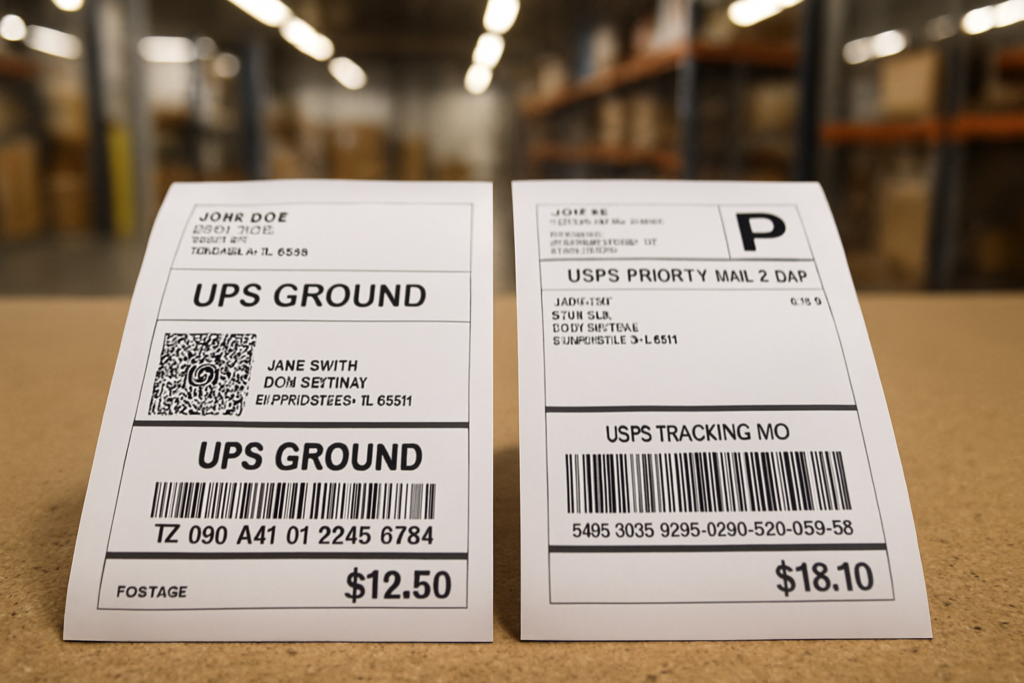
Shipping costs represent one of the largest controllable expenses in ecommerce operations. Understanding how to reduce shipping costs in ecommerce requires a combination of smarter logistics decisions, better carrier relationships, and optimized fulfillment infrastructure. According to Opensend, merchants pay an average of $7.96 to ship each order. Shipping eats up 10-20% of ecommerce revenue overall. However, strategic approaches can cut that figure by up to 30%.
Table of Contents
- Why Shipping Costs Keep Rising
- How to Reduce Shipping Costs Through Carrier Negotiation and Multi-Carrier Strategies
- How to Reduce Shipping Costs With Fulfillment Location and Inventory Positioning
- Packaging Optimization to Reduce Shipping Costs
- Last-Mile Delivery Efficiency
- Technology and Automation
- Things to Know
Key Takeaways
- Merchants pay an average of $7.96 per shipment; shipping costs can consume 10-20% of ecommerce revenue.
- Negotiating volume-based carrier contracts can yield 15-25% discounts on shipping rates.
- Last-mile delivery alone accounts for 53% of total shipping costs — improving it has the biggest impact.
- Distributing inventory across multiple fulfillment locations reduces both transit times and carrier zone charges.
- Packaging right-sizing and dimensional weight management can eliminate unnecessary surcharges.
- Small ecommerce businesses can reduce shipping costs by 15-40% through carrier negotiations, packaging changes, and automation.
Why Shipping Costs Keep Rising
Before identifying solutions, it helps to understand the pressure points. Both UPS and FedEx raised rates significantly. UPS increased rates by an average of 5.9% effective December 2024. FedEx raised rates by 5.9% effective January 2024. This trend shows no signs of reversing, according to Clickpost.
Moreover, the global parcel delivery market is projected to reach $538 billion in 2026. An estimated 236 billion packages will be delivered worldwide (Clickpost, 2026). That volume creates infrastructure strain, which carriers pass on to shippers.
Consumer expectations compound the problem further. According to Opensend, 88% of consumers prioritize free shipping over speed. Additionally, 54% cite high delivery costs as their top frustration. Absorbing shipping costs to stay competitive puts direct pressure on margins. Therefore, knowing how to reduce shipping costs in ecommerce through operational discipline is critical rather than just passing the expense along.
How to Reduce Shipping Costs Through Carrier Negotiation and Multi-Carrier Strategies
One of the highest-leverage moves any ecommerce seller can make is negotiating directly with carriers. Rather than accepting published retail rates, you gain significant savings. Committing to annual volume contracts and sharing shipment data can yield discounts of 15-25%, according to Swell (2026). Carriers want predictable volume; you want lower rates. That alignment creates a genuine negotiating opportunity.
Multi-carrier shipping takes this approach further. Instead of defaulting to a single carrier, a rate-shopping tool selects the lowest-cost service option per shipment. The system evaluates weight, dimensions, destination zone, and delivery speed. Regional carriers often outprice national carriers for short-distance ground shipments. For example, OnTrac serves the West while LSO covers the South.
A 2024 survey cited by Opensend found that 68% of U.S. ecommerce businesses use flat-rate shipping for at least some orders. Flat-rate boxes from USPS Priority Mail work effectively for dense, heavy items shipping within certain zones. Knowing when to use flat-rate versus calculated rates versus regional carrier pricing is essential for cost management.
When evaluating a logistics partner, understanding how to choose a 3pl provider is crucial. The right 3PL often has pre-negotiated carrier rates that individual merchants cannot access independently.
How to Reduce Shipping Costs With Fulfillment Location and Inventory Positioning
Carrier zones represent one of the most overlooked cost drivers in ecommerce shipping. The further a package travels, the higher the zone becomes. Subsequently, the rate increases. A business shipping from a single warehouse on the East Coast to customers in the Pacific Northwest will consistently pay Zone 7 or Zone 8 rates.
Distributing inventory across two or three strategically placed fulfillment centers can move the average shipment down significantly. A shipment could shift from Zone 5 down to Zone 2 or Zone 3. This produces meaningful per-order savings at scale. Proximity to customers also reduces transit time, addressing the speed expectations consumers have alongside free shipping.
This is where warehouse layout design principles matter directly. A well-structured fulfillment center improves pick-and-pack efficiency. It reduces labor cost per order. Additionally, it supports faster outbound processing. An inefficient layout increases labor hours per shipment. In turn, this compounds the carrier cost problem rather than solving it.
For businesses moving goods across the NYC metro and tri-state area, Warehousing NYC By Best offers ecommerce fulfillment with Shopify, Amazon, and WooCommerce integrations. Their real-time inventory tracking uses cloud-based WMS technology. Strategic positioning in the metro area alone can meaningfully reduce zone charges. The dense consumer population across New York, New Jersey, and Connecticut benefits from this approach.
Packaging Optimization to Reduce Shipping Costs
Dimensional weight (DIM weight) pricing means carriers charge based on the space a package occupies, not just its actual weight. Oversized boxes filled with filler material are a consistent source of avoidable cost. Right-sizing packaging to product dimensions eliminates wasted space. This keeps billed weight as close to actual weight as possible.
Poly mailers instead of boxes work well for soft goods. Custom-fit corrugated inserts reduce dimensions further. Packaging that ships flat also minimizes dimensional charges. These changes reduce both material costs and DIM weight charges significantly. Understanding types of warehouse racking systems also plays a role. Organized, accessible storage reduces the time pickers spend handling inventory. Moreover, it enables better packaging decisions at the station level.
Last-Mile Delivery Efficiency
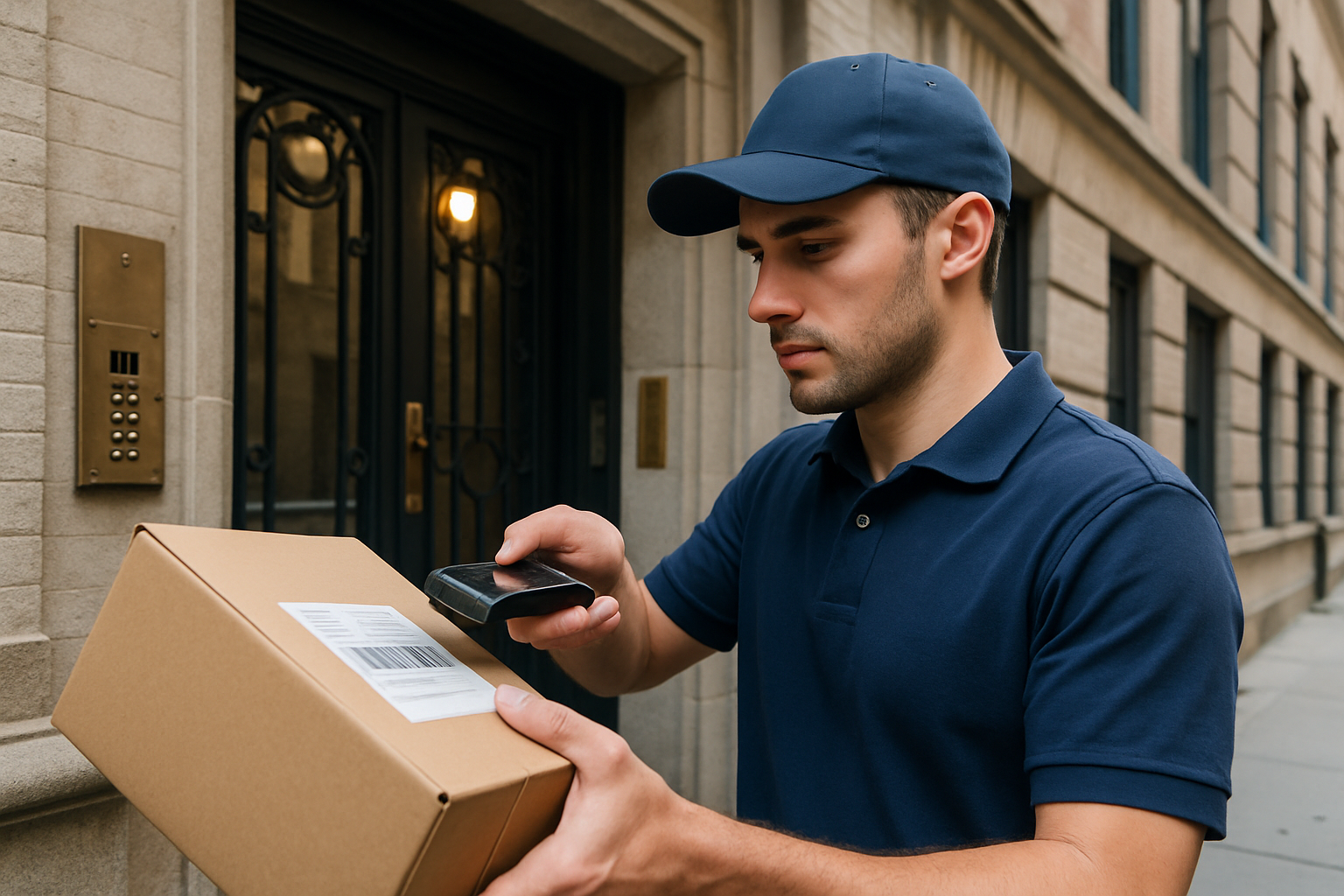
Last-mile delivery accounts for over 53% of total shipping costs, according to HubBox (2025). Its relative cost increased 29.3% over five years. The average annual growth rate reached 5.27% (HubBox, 2026). Each failed delivery attempt costs an average of $17.78 (Clickpost, 2025). Therefore, accuracy and address validation become critical.
Practical steps to reduce last-mile cost include:
- Using address verification tools before shipping to eliminate undeliverable packages.
- Offering customers local pickup or BOPIS (buy online, pick up in store) options where applicable.
- Consolidating shipments going to the same geographic area using batch routing.
- Leveraging what is cross docking in warehousing methods to bypass storage entirely and route products directly to outbound delivery, cutting handling time and cost.
Cross-docking is especially effective for time-sensitive or high-volume SKUs. For these products, storage adds cost without adding value.
Technology and Automation
Shipping cost reduction at scale depends on data. A cloud-based warehouse management system (WMS) integrates with carrier APIs, ERP platforms, and marketplaces. This gives operations teams the visibility to identify cost anomalies. They can route shipments intelligently and measure the impact of rate changes in real time.
Automation reduces errors that generate costly consequences. Mis-picked orders, wrong-label shipments, and missed SLA windows all produce return costs. In addition, they create reshipping costs and customer service overhead. According to Easyship, small ecommerce businesses can reduce shipping costs by 15-40% through strategic carrier negotiations, packaging optimization, and intelligent automation (2026).
Businesses also benefit from automation in returns processing. Streamlined returns quickly reintegrate inventory back into available stock. This reduces both the cost of each return cycle and the risk of lost inventory.
Things to Know
- Average fulfillment costs can reach 70% of average order value for some online retailers (Clickpost, 2025), so shipping is rarely the only cost to address.
- Carrier rate increases are annual and compounding — negotiated contracts provide more stability than relying on published rates.
- DIM weight pricing applies across most major carriers for ground and air services; always compare billed weight to actual weight.
- Free shipping offers shift the cost to the merchant, not eliminate it — build shipping costs into product pricing when offering free shipping thresholds.
- Zone-skipping (pre-positioning inventory closer to end customers) is one of the fastest ways to reduce per-order carrier charges without changing carriers.
Take Control of Your Ecommerce Shipping Costs Today
Shipping costs are not a fixed line item. Between carrier negotiations, smarter fulfillment placement, packaging efficiency, and last-mile optimization, there is a clear path to reducing what you spend per order. You won’t compromise the delivery experience your customers expect.
Request a free estimate from Warehousing NYC By Best to see how their fulfillment infrastructure, carrier relationships, and cloud-based WMS can help. Their solutions show how to reduce shipping costs in ecommerce starting with your next shipment. Reach out today and get a custom quote tailored to your order volume and shipping zones.
Frequently Asked Questions
Q: What is the single most effective way to reduce per-order shipping costs?
A: Negotiating volume-based carrier contracts is typically the highest-impact move for established ecommerce businesses.
Committing to annual volume contracts and sharing shipment data with carriers can yield discounts of 15-25%. For smaller merchants, joining a 3PL’s pre-negotiated rate pool often produces comparable savings without the volume commitment.
Q: Does free shipping actually save the business money?
A: No — free shipping transfers the cost to the merchant. Therefore, it only makes financial sense when built into product pricing or order thresholds.
A common approach is setting a free shipping threshold (e.g., orders over $75) that increases average order value enough to offset the shipping cost absorbed. Without a threshold or margin adjustment, free shipping directly reduces profitability.
Q: How does inventory distribution reduce shipping costs?
A: Placing inventory in fulfillment centers closer to end customers lowers carrier zone charges. These charges represent the primary driver of rate differences.
A shipment traveling two zones costs significantly less than the same shipment crossing six or seven zones. Multi-node fulfillment strategies can reduce average zone distance across your entire order volume.
Q: What is dimensional weight, and how does it affect what I pay?
A: Dimensional weight is a pricing method where carriers charge based on package volume rather than actual weight. This applies when the calculated DIM weight exceeds the real weight.
To avoid excess charges, use packaging sized as close to the product dimensions as possible. Poly mailers, right-sized corrugated boxes, and packaging audits are practical starting points.
Q: When should an ecommerce business consider using a 3PL to reduce shipping costs?
A: When shipping volume, geographic distribution of customers, or fulfillment complexity exceeds what in-house operations can manage cost-effectively, a 3PL is worth evaluating.
3PLs aggregate shipping volume across multiple clients. This gives them access to carrier rates that individual merchants rarely qualify for. Moreover, they bring fulfillment infrastructure, technology, and operational expertise that reduce total cost per order beyond just carrier rates.
The Bottom Line on How to Reduce Shipping Costs in Ecommerce
Reducing shipping costs in ecommerce is an ongoing operational discipline, not a one-time fix. It requires attention to carrier relationships, fulfillment strategy, packaging standards, last-mile efficiency, and the technology infrastructure that ties all of it together.
Start by auditing your current carrier rates against negotiated alternatives. Then map where your customers are concentrated relative to where you ship from. Those two steps alone will surface your largest opportunities for savings.