From missed shipments to wasted square footage, warehouse design directly affects operating costs, customer satisfaction, and long-term growth. With the U.S. warehousing market expected to surpass $343.2 billion by 2030, efficiency has become a competitive requirement rather than a nice-to-have.
For businesses operating a warehouse in New York, where space and overhead are especially high, thoughtful facility design plays a critical role in overall performance.
Here’s a breakdown on how warehouses actually work.
Table of Contents
Key Takeaways✔ Warehouse design directly impacts efficiency, safety, and long-term operating costs. ✔ Space constraints make strategic warehouse design essential for any warehouse in New York. ✔ Facility layout, storage strategy, equipment, and technology drive warehouse performance. ✔ Poor warehouse design creates bottlenecks, labor inefficiencies, and higher risk. ✔ Scalable warehouse design supports growth without constant reconfiguration. |
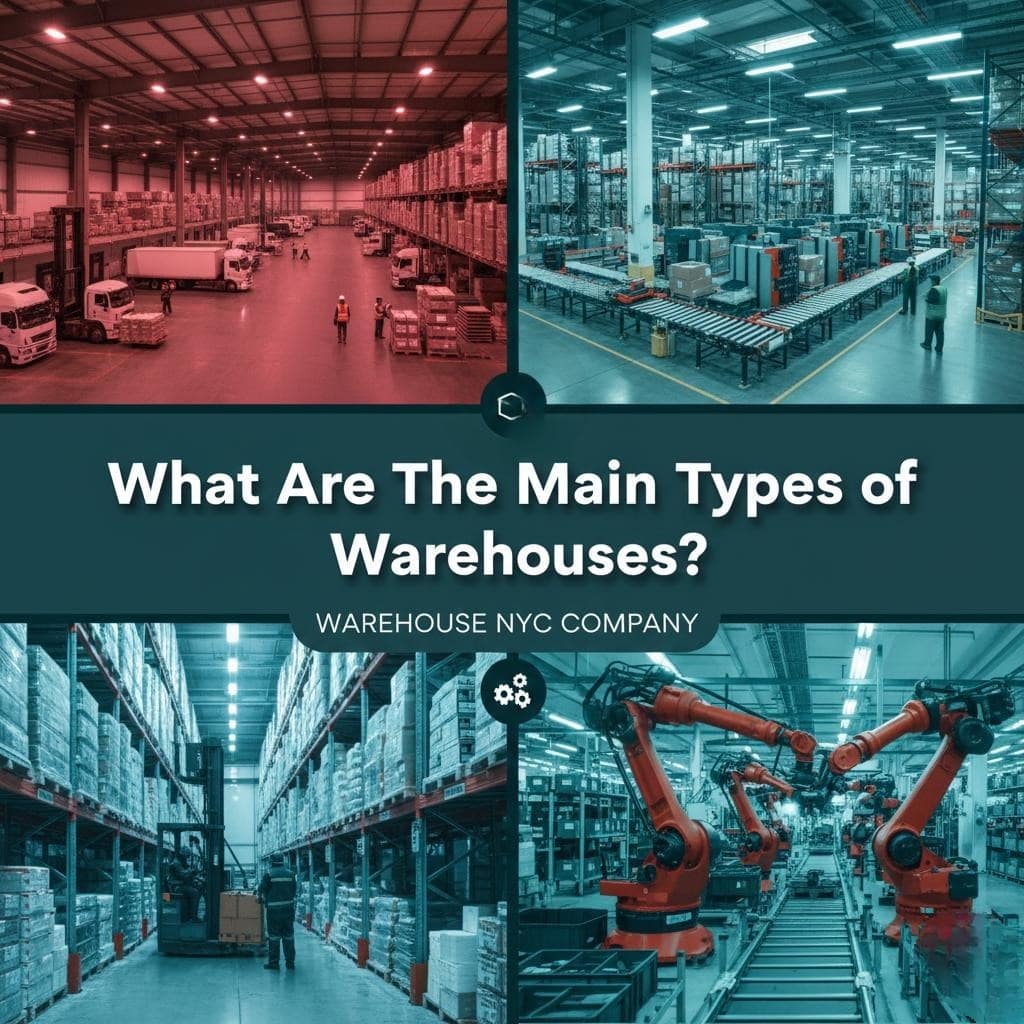
What Are the Main Types of Warehouses?
Different warehouse types require different warehouse design approaches based on inventory, volume, and order complexity.
Distribution Warehouses
Designed for high-volume movement rather than long-term storage. Warehouse design focuses on fast receiving, staging, and outbound flow.
Fulfillment Centers
Built for ecommerce and direct-to-consumer shipping. These facilities rely on warehouse design that supports rapid picking, packing, and returns.
Cold Storage Warehouses
Used for food and pharmaceutical products requiring temperature control. Warehouse design must support insulation, energy efficiency, and regulatory compliance.
Manufacturing and Production Warehouses
Support assembly and production lines with raw materials and finished goods. Layout and flow are critical to avoid disruptions.
Public and Private Warehouses
Public warehouses serve multiple businesses, while private warehouses serve one organization. A warehouse in New York often operates as a shared facility to maximize space and control costs.
À cet instant précis, avec https://casinobetclic.fr/, des offres adaptées aux joueurs patients. Jouez dans une dynamique réservée aux ambitieux et laissez la tradition du casino guider vos décisions. L’instant est idéal pour continuer, avant que la chance ne change de rythme.
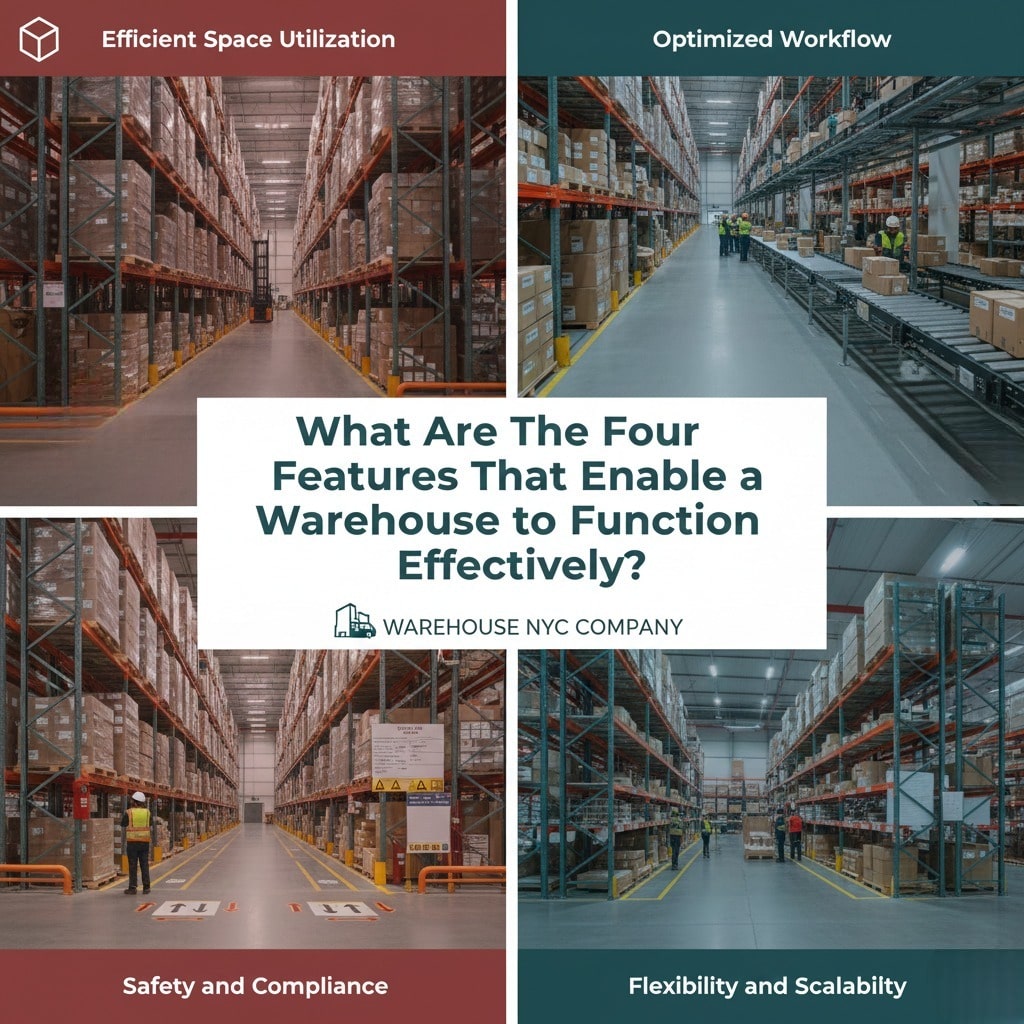
What Are the Four Features That Enable a Warehouse to Function Effectively?
High-performing facilities share foundational features that support consistent operations and scalability.
Efficient Space Utilization
Smart warehouse design maximizes vertical and horizontal space to reduce wasted square footage.
Optimized Workflow
Clear process flow minimizes unnecessary movement and delays across receiving, storage, and shipping.
Safety and Compliance
Proper aisle widths, signage, and equipment placement reduce risk and support regulatory standards.
Flexibility and Scalability
Effective warehouse design allows a warehouse in New York to adapt to changing inventory levels and customer demand.
What Are the 4 Functions of Warehousing?
Every warehouse supports the same core operational functions, regardless of size or location.
Receiving
Goods are unloaded, inspected, and logged into inventory systems. Dock design and staging areas directly impact efficiency.
Storage
Products are organized for accessibility and space optimization. Storage strategy is a key element of warehouse design.
Order Picking and Packing
Items are selected, packed, and prepared for shipment. Layout and slotting heavily influence speed and accuracy.
Shipping and Distribution
Orders are staged, loaded, and dispatched. Efficient outbound flow is essential in a warehouse in New York where turnaround time matters.
4 Factors of Warehouse Design
1. Facility Layout and Flow
Facility layout controls how people and products move through the space. Strong warehouse design reduces travel time, prevents congestion, and supports clear inbound and outbound flow. This is especially critical in a warehouse in New York where space efficiency matters.
2. Inventory and Storage
Inventory size, weight, and turnover shape storage strategy. Effective warehouse design positions fast-moving items for quick access while maximizing vertical space. This approach helps a warehouse in New York improve efficiency without expanding its footprint.
3. Material Handling Equipment
Material handling equipment must match the layout and inventory profile. The right equipment supports safe movement and consistent workflows within the warehouse design. In a warehouse in New York, poor equipment fit can quickly limit productivity.
4. Technology and Automation
Technology improves visibility, accuracy, and control across warehouse operations. However, about 80% of warehouses still rely primarily on manual processes with little to no automation. Modern warehouse design uses tools like WMS and scanning to reduce errors, while targeted automation can boost efficiency in a warehouse in New York.
How to Design a Warehouse
Designing a warehouse starts with understanding how your business operates today and how it will grow tomorrow. Effective warehouse design balances space, labor, inventory, and technology to support efficiency and scalability, especially in a warehouse in New York where space and costs are tightly controlled.
Define Operational Requirements
- Inventory profile: Size, weight, turnover rate, and handling needs shape storage and layout decisions.
- Order volume and complexity: Picking, packing, and shipping requirements influence workflow and staffing.
Plan Layout and Workflow
- Logical flow: Design clear paths from receiving to storage to shipping to reduce travel time.
- Space optimization: Use aisle width, dock placement, and vertical storage strategically within the warehouse design.
Select Storage and Equipment
- Storage systems: Choose racking and shelving that match inventory characteristics.
- Material handling equipment: Ensure forklifts and conveyors align with layout and safety needs.
Integrate Technology
- Warehouse management systems: Improve inventory accuracy and process visibility.
- Automation opportunities: Support growth without overcomplicating operations.
Design for Safety and Growth
- Compliance: Meet safety and regulatory standards from the start.
- Scalability: Build flexibility into the warehouse design so a warehouse in New York can adapt as demand changes.
Frequently Asked Questions (FAQs)
Why is warehouse design especially important in high-cost markets like New York?
Warehouse design is critical in high-cost areas because space, labor, and operating expenses are higher. A well-planned warehouse in New York helps maximize square footage, reduce inefficiencies, and control long-term costs.
How often should a warehouse redesign its layout?
Most warehouses should revisit their warehouse design every three to five years or when inventory volume, order patterns, or technology changes significantly.
Can warehouse design impact labor productivity?
Yes, effective warehouse design reduces unnecessary movement, improves picking efficiency, and creates safer workflows, which directly supports higher labor productivity.
What is the biggest mistake businesses make when planning warehouse design?
The most common mistake is designing only for current needs instead of future growth. Strong warehouse design plans account for scalability and operational changes over time.
How do warehouse kitting service and fulfillment support business growth?
Warehouse kitting service and fulfillment reduce handling time, improve order accuracy, and allow businesses to offer bundled or customized products without adding operational complexity.
Ready to Optimize Your Warehouse?
If you are planning, expanding, or reconfiguring a warehouse in NYC, Warehousing NYC By Best provides strategic solutions designed for space efficiency, operational flow, and long-term scalability. Our experience with complex warehouse design challenges helps businesses operate smarter in one of the most demanding logistics markets in the country.
Contact Warehousing NYC By Best today to explore our warehousing solutions.