
Table of Contents
Key Takeaways✔ Short-term warehousing in NYC gives flexible storage for brief, changing needs. ✔ Long-term warehousing in NYC provides steady space for ongoing inventory and shipping. ✔ The choice hinges on time, cost, availability, and service depth. ✔ Short-term offers agility but usually costs more. ✔ Long-term saves money over time but locks in commitment. ✔ Short-term suits volatile demand; long-term suits stable volume. ✔ NYC’s limited space and last-mile pressure make planning essential. ✔ The right fit matches storage time, demand, budget, and growth. |
NYC moves fast, and so do the businesses that serve it. From fashion brands shipping daily orders to importers juggling containers at the port, storage needs in the city are rarely simple. The big question isn’t just where to store inventory — it’s how long and under what terms. That’s why more companies are weighing warehousing NYC options in two main buckets: short-term and long-term.
Short-term warehousing offers flexibility when demand is unpredictable. Long-term warehousing provides stability when operations are steady. Both can work well in NYC, but the right fit depends on what a business is trying to solve right now — and what it’s planning for next.
What Short-Term Warehousing Means
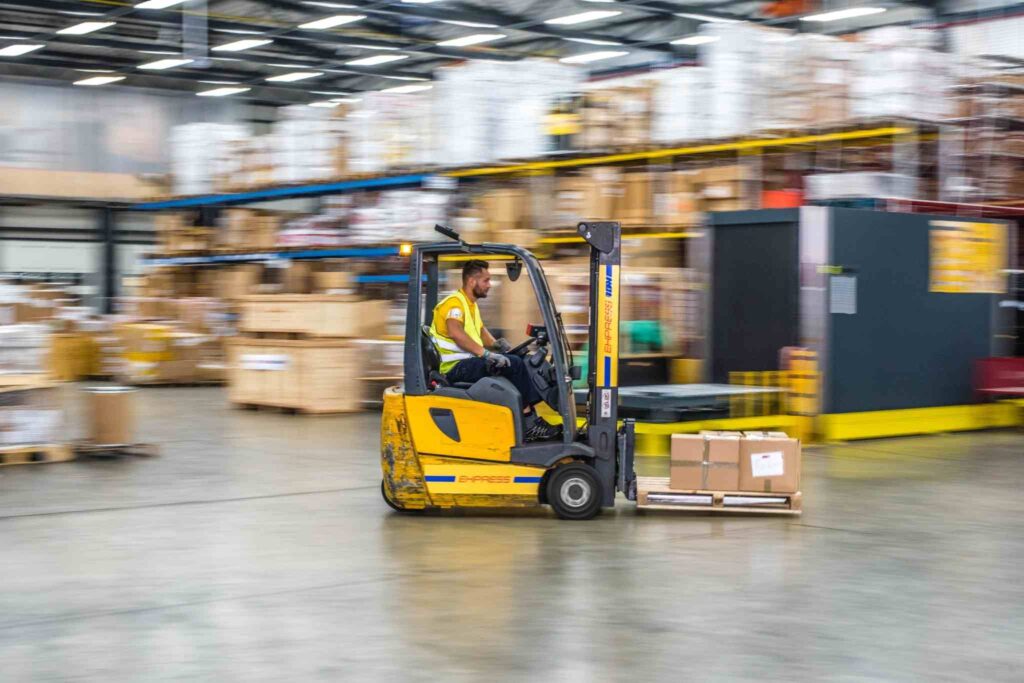
Short-term warehousing is rented storage for a limited window — anywhere from a few days to a few months. In NYC, it often functions like a pressure valve. When inventory spikes, launches happen, or a supply chain gets bumpy, short-term space helps businesses stay afloat without locking into a long lease.
Many companies turn to warehousing NYC short-term solutions for reasons like:
- Seasonal inventory surges. Holiday stock, summer collections, or back-to-school products need space for a short run.
- Pop-ups and events. Brands testing a retail moment in Manhattan or Brooklyn often need staging space close by.
- Overflow storage. When sales beat expectations, a temporary warehouse prevents crowded storefronts or backrooms.
- Transition periods. Moving between facilities or waiting for a permanent lease can create a gap that short-term warehousing fills.
In a city where space is scarce, short-term warehousing is usually about speed and convenience more than perfection.
What Long-Term Warehousing Means
Long-term warehousing is rented storage for several months to multiple years, often through a formal lease or service contract. It’s designed for businesses with consistent inventory flow and dependable distribution patterns. In NYC, long-term warehouse tenants tend to be companies that prioritize stability over improvisation.
Long-term warehousing NYC is commonly used by:
- E-commerce brands with regular fulfillment. With U.S. online sales projected to climb from about $1.97 trillion in 2024 to $3.70 trillion by 2033 (around 7.23% annual growth), many e-commerce operators are locking in steady warehouse footprints in NYC to keep inventory close to customers and support predictable, year-round shipping volumes.
- Wholesale and retail distributors. These companies need predictable receiving and shipping cycles.
- Businesses with stable SKUs. Inventory doesn’t fluctuate wildly month to month.
- Companies planning growth. Long-term space makes it easier to build repeatable operations.
Because NYC is a competitive warehouse market, long-term deals often come with better pricing, better service structures, and higher priority access.
Key Differences at a Glance
Short-term and long-term warehousing can look similar on the surface — pallets, racking, dock doors, security — but the experience is different in practice. Here’s what usually separates them:
- Time commitment. Short-term storage is temporary; long-term storage is ongoing.
- Cost structure. Short-term pricing is more flexible but can be higher per month. Long-term pricing often drops per square foot with commitment.
- Availability. Short-term space may be easier to grab quickly, but choices can be limited in prime areas. That tradeoff matters even more right now because the wider U.S. market is loosening — national warehouse vacancy rose to 7.1% in Q2 2025, the highest level since 2014 — which is starting to change how quickly space comes online and how deals get priced.
- Services. Short-term setups might be basic storage, while long-term facilities often include fulfillment, kitting, or dedicated operations.
Planning stability. Long-term warehousing supports forecasting and growth; short-term supports quick pivots.

Pros and Cons of Short-Term Warehousing in NYC
Short-term warehousing shines when a business needs inventory breathing room now. But that flexibility comes with tradeoffs.
Pros
- Fast and flexible. Space can be added quickly without long negotiations.
- Scales with demand. Businesses can expand or shrink their footprint as needed.
- Lower commitment risk. Useful for testing new markets or product lines.
Cons
- Higher monthly costs. Flexibility often commands a premium in NYC.
- Fewer options in busy zones. Close-to-Manhattan warehouses fill up fast.
- Limited customization. Temporary tenants may not get dedicated racks, staff, or tailored setups.
Pros and Cons of Long-Term Warehousing in NYC
Long-term warehousing is built for consistency. It rewards businesses that know their inventory needs and want to lock in a dependable base.
Pros
- Better cost efficiency over time. Longer commitments usually mean lower rates.
- Reliable space in a tight market. A major advantage in NYC where vacancy is low.
- Operational stability. Easier to build routines, staffing, and process improvements.
Cons
- Less flexibility. If needs change suddenly, a long lease can feel restrictive.
- Early exit penalties. Contracts may include fees for leaving early.
- Slower to pivot locations. Not ideal for businesses still experimenting.
For companies with steady demand, long-term warehousing NYC often acts like an operating headquarters, not just a storage spot.
Which Option Fits Which Business?
Short-term and long-term warehousing aren’t “good vs. bad.” They’re tools for different situations.
Short-term fits best when:
- Inventory swings are frequent or unpredictable.
- A brand is riding seasonal waves.
- The business is testing the NYC market before committing.
- A temporary gap exists between facilities.
Long-term fits best when:
- Inventory volume is stable year-round.
- Customer orders move consistently.
- Predictable monthly costs are important.
- The company needs a reliable base for fulfillment.
Many businesses even combine both. A long-term hub plus short-term overflow is a common strategy in warehousing NYC — especially for fast-growing e-commerce brands.
NYC-Specific Factors to Think About
NYC is not like most U.S. warehouse markets. The city’s mix of density, cost, and infrastructure changes the math.
- Space is tight. Industrial zoning is limited, and demand is high.
- Location matters more. Closer facilities reduce delivery time but cost more.
- Outer borough tradeoffs. Queens and the Bronx may offer better pricing, while Brooklyn offers stronger proximity to certain customer bases.
- Last-mile pressure. Same-day or next-day delivery expectations make distance expensive.
- Labor and access. Some buildings are easier for trucks and teams than others.
These realities mean warehousing NYC decisions often balance cost against speed and service.
Quick Decision Checklist
Before signing anything, a business should run through a simple set of questions:
- How long does inventory actually need to stay stored?
- Is demand steady or seasonal?
- Does the business need pick/pack or fulfillment support?
- Is budget more flexible short-term or long-term?
- How important is being close to NYC customers?
- Are growth plans likely to change space needs soon?
Answering those clearly usually makes the right warehousing NYC option obvious — even in a complicated market.
Frequently Asked Questions
How far in advance should warehouse space be secured in NYC?
Most businesses start looking earlier than expected because space can disappear quickly. The timeline depends on inventory size and the type of services needed. Short-term space may be found faster, but choices can be limited.
Do warehouses in NYC handle special product requirements?
Many facilities can support special needs like temperature control, fragile handling, or security protocols. Capability varies widely by building type and operator. It’s common to confirm requirements early to avoid service gaps.
What level of inventory tracking should a warehouse provide?
At minimum, there should be clear counts and location visibility. Many businesses prefer real-time dashboards or system integrations. The right level depends on order volume and SKU complexity.
Are there operational risks when switching warehouses?
Transitions can cause temporary slowdowns if timing isn’t planned carefully. Inventory miscounts or process differences are common early risks. A structured move plan and overlap period help reduce disruption.
When does a business outgrow a short-term warehouse setup?
Growth becomes a factor when inventory stays consistently high or fulfillment becomes daily. If short-term costs start rising each month, a longer commitment may make more sense. Repeated renewals can also signal a need for stability.

Get Expert Support for Warehousing and Fulfillment in New York, NY!
Warehousing NYC By Best helps brands operate faster and smarter in New York, NY with storage, fulfillment, and inventory management built for the city’s pace. With a strategically located facility and real-time technology, teams in New York, NY gain clearer stock control, quicker order flow, and fewer costly delays.
From steady day-to-day shipping to sudden volume spikes, Warehousing NYC By Best provides the operational clarity businesses need to scale confidently in New York, NY.