

Quick Facts
✔️ RFID can improve inventory speed, accuracy, and day-to-day visibility.
✔️ It helps reduce manual work by automating tracking and stock checks.
✔️ Higher setup costs can make RFID a bigger investment than barcodes.
✔️ System performance can vary depending on the warehouse environment.
✔️ RFID works best when it aligns with a business’s size, workflow, and goals.
What's In This Guide
Inventory management is becoming more complex as businesses manage higher product volumes, faster fulfillment demands, and more connected supply chains. As a result, many companies are looking at tools that can improve how inventory is tracked and managed.
One of those tools is RFID, which uses radio signals to identify and monitor items automatically. While it can offer clear operational benefits, it also comes with challenges that businesses need to consider. Here are the pros and cons of using RFID for inventory management.
What Is RFID in Inventory Management?
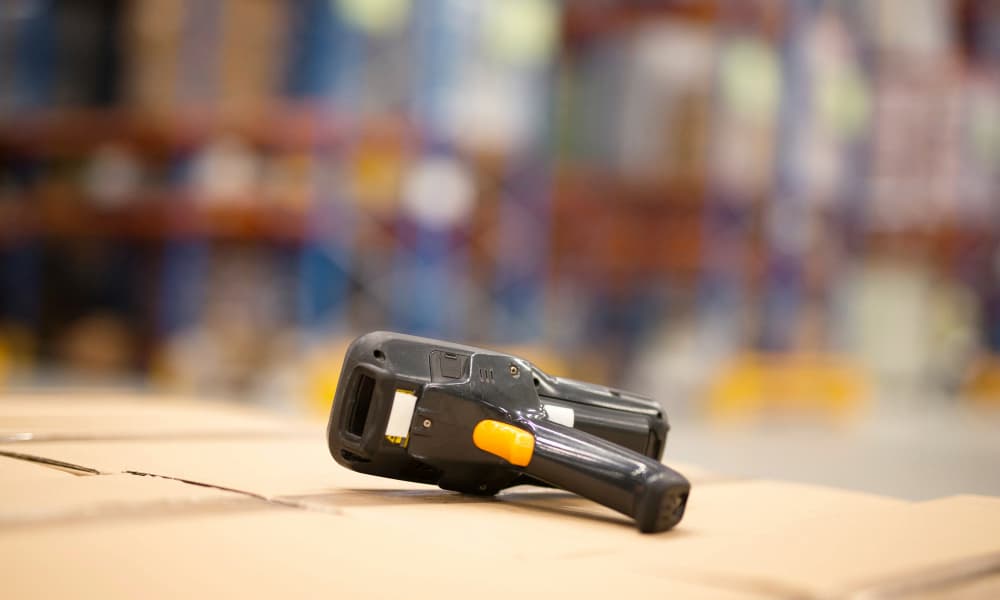
RFID stands for Radio Frequency Identification, a technology that uses radio waves to identify and track items automatically. In warehouses, an RFID inventory system uses tags, readers, and software to capture inventory data in real time as products move through the facility. Unlike barcodes, RFID tags for inventory management can be scanned in bulk without line of sight, which helps improve speed, visibility, and accuracy.
Pros of Using RFID for Inventory Management
✔ Faster Inventory Tracking
One of the biggest benefits of RFID inventory management is speed. Instead of scanning items one by one, workers can scan many tagged products at the same time. This helps move inventory faster during receiving, counting, and shipping.
✔ Improved Inventory Accuracy
Manual counts can lead to mistakes, which may cause stockouts, overstocking, or shipping delays. An RFID inventory system updates stock data automatically, helping businesses keep more accurate records and make better inventory decisions.
✔ Real-Time Inventory Visibility
A major advantage of RFID technology for inventory management is real-time tracking. Businesses can see where items are as they move through the warehouse, which improves visibility and helps support smoother warehouse logistics.
✔ Reduced Labor Costs
RFID can automate tasks like cycle counts and stock checks. That means employees spend less time on manual work and more time on tasks like fulfillment, quality checks, and daily operations.
✔ Better Loss Prevention and Security
RFID inventory can help reduce misplaced items and theft by tracking products more closely. Some systems can also send alerts when tagged items move through the wrong area or leave the building without approval.
Cons of RFID in Inventory Management
✔ High Initial Implementation Costs
One of the main downsides of RFID inventory management is the upfront cost. Businesses need to invest in readers, software, antennas, and RFID tags for inventory management, which can be much more expensive than barcode systems.
✔ Technical Interference Issues
RFID signals do not always work perfectly in every setting. Metal, liquids, and certain packaging materials can interfere with reads, which may affect system accuracy.
✔ Complex System Integration
Setting up an RFID inventory system can take time and planning. Businesses often need to connect it with existing warehouse or inventory software, which can make implementation more complicated.
✔ Maintenance and Tag Durability
RFID equipment needs regular upkeep to keep working properly. In busy warehouse settings, tags and readers can also get damaged and may need to be repaired or replaced.
✔ Security and Data Privacy Concerns
Because RFID uses wireless signals, there is a risk of unauthorized scanning if the system is not protected. Businesses may need extra security measures to keep inventory data safe.
How to Determine if RFID Is Right for Your Business
Not every operation requires RFID. Businesses should evaluate their needs carefully before investing in this technology.
Step 1: Evaluate Inventory Volume
Facilities that manage large quantities of products often benefit most from RFID. High-volume operations can achieve significant efficiency improvements through automated scanning.
Step 2: Analyze Current Inventory Errors
If your warehouse frequently experiences discrepancies in inventory counts, RFID may help reduce those errors and improve data accuracy.
Step 3: Review Labor Costs
Automation can reduce the amount of manual labor required for inventory tasks. Companies with high labor costs may see strong returns from RFID implementation.
Step 4: Assess System Compatibility
Businesses should ensure their warehouse management software can integrate with an RFID platform. Successful implementation depends on smooth data communication between systems.
Step 5: Calculate Long-Term Return on Investment
Although RFID systems require substantial upfront investment, the long-term benefits can include faster operations, improved visibility, and reduced shrinkage. Companies should weigh these advantages against the implementation costs.

Industries That Benefit Most From RFID Inventory Systems
Several industries have successfully adopted RFID inventory solutions to improve operational efficiency, visibility, and tracking accuracy.
- Retail distribution centers often use RFID to track apparel and consumer goods throughout the supply chain. This helps retailers maintain accurate stock levels across warehouses and store locations.
- E-commerce fulfillment operations: Benefit from faster picking and shipping processes. Automated tracking supports high order volumes and helps reduce fulfillment errors.
- Manufacturing facilities: Use RFID to track components as they move through production stages. This improves traceability and strengthens quality control processes.
Warehouses storing high-value products: Industries handling electronics, pharmaceuticals, or luxury goods benefit from RFID’s enhanced security and real-time tracking capabilities.
Frequently Asked Questions
Is RFID better than barcode scanning?
RFID can offer more speed and visibility, while barcode systems are often simpler and more budget-friendly. The better option depends on the size and needs of the operation.
How accurate is RFID inventory tracking?
RFID can improve inventory accuracy by reducing manual work and making tracking more consistent. Results often depend on how the system is set up and used.
How much does RFID inventory implementation cost?
The cost can vary based on the size of the business, the equipment needed, and how complex the setup is. Some businesses may see it as a larger upfront investment.
Can RFID work with existing warehouse management systems?
In many cases, yes. However, the level of compatibility can vary, and some businesses may need system updates or added support during setup.
Is RFID suitable for small businesses?
It can be, but it depends on inventory volume, workflow, and budget. For some smaller operations, simpler tracking methods may be enough.
Strengthen Your Inventory Strategy Today
RFID can help businesses improve speed, accuracy, and visibility, but it also comes with higher costs and setup challenges. The right choice depends on your inventory needs, budget, and daily operations. For businesses in New York, NY, looking for dependable warehouse logistics and storage support, Warehousing NYC By Best offers practical solutions built around efficient operations.
Contact our team today to explore the right warehousing support for your business.