Key Takeaways
|
Table of Contents
Choosing the right type of warehousing in NYC can impact your costs, fulfillment speed, and your ability to scale—making it one of the most important logistics decisions your business will make.
Whether you’re growing quickly, running out of space, or struggling with the city’s high real estate costs, understanding how shared and dedicated warehousing NYC solutions differ will help you avoid costly mistakes and choose the model that best supports your operations.
This guide breaks down everything you need to know to make an informed, confident choice.

Understanding Warehousing NYC and Today’s Storage Demands
Operating a business in New York City brings massive opportunity—but also major logistical challenges. Limited commercial space, rising rents, complex zoning rules, and fast-changing consumer expectations have pushed many companies to outsource their storage and fulfillment needs.
Recent industry data highlights how significant this shift has become. New York City industrial vacancy rates dropped below 4% in 2024, according to CBRE, making it one of the tightest industrial markets in the country. At the same time, average industrial rental rates climbed more than 12% year-over-year, driven by demand from e-commerce, last-mile delivery, and growing omnichannel retailers. With available land shrinking and demand rising, businesses are relying more heavily on third-party warehousing partners to maintain efficient operations.
Consumer behavior is pushing these trends even further. Surveys from NRF show that over 60% of shoppers now expect faster delivery options, and more than half abandon purchases if shipping times are too long. This has intensified the need for strategically located NYC warehousing—especially facilities that support rapid fulfillment and seamless inventory replenishment.
These pressures have made warehousing NYC services essential for businesses of every size, from local retailers to national brands. Whether you need flexible storage or a fully customized solution, the city’s warehousing ecosystem offers two dominant models: shared and dedicated. Choosing between them hinges on your inventory volume, growth trajectory, and operational priorities.
Quick Facts: Warehousing NYC Snapshot
|
What Is Shared Warehousing in NYC?
How Shared Warehouses Work
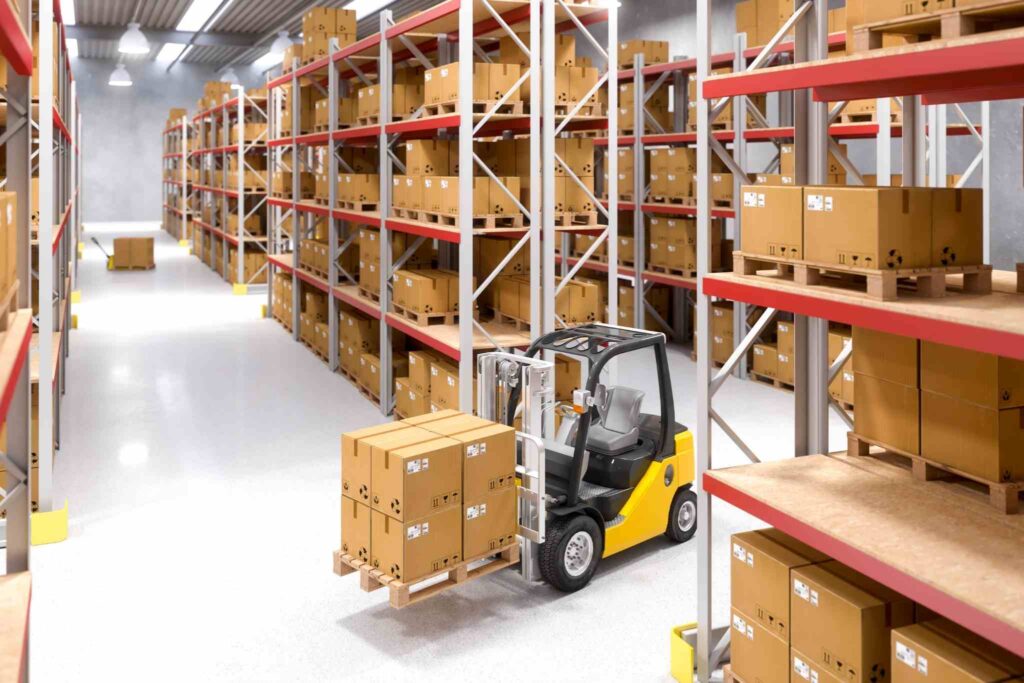
Shared warehousing is a model where multiple companies use the same facility, equipment, and workforce. Instead of taking on a long-term lease or fully staffed warehouse, you pay for the portion of space and services you need. This arrangement allows businesses to scale up or down without heavy commitments.
Key Advantages of Shared Warehousing
Shared warehousing offers flexible contracts, lower startup costs, and predictable pricing. It removes the burden of managing labor, equipment, and facility maintenance, making it ideal for startups, seasonal businesses, and growing e-commerce operations. Brands with fluctuating demand benefit most because shared space adapts quickly to inventory shifts.
Potential Drawbacks to Consider
While cost-effective, shared warehousing means you have less control over day-to-day operations. You may need to align workflows with other businesses using the same facility. Peak-season resource competition or limited customization can also impact fulfillment performance if your operation requires strict handling protocols.
What Is Dedicated Warehousing in NYC?
How Dedicated Warehouses Operate
Dedicated warehousing gives one company exclusive access to a warehouse or section of a facility. You control layout, processes, fulfillment requirements, and inventory management systems. This model is structured for businesses with steady demand and specialized product-handling needs.
Benefits of Dedicated Warehousing
A dedicated warehouse offers the highest degree of control. Businesses gain consistency, predictable output, and the ability to design workflows that match product requirements. This is especially valuable for enterprises, importers, large distributors, and brands with complex SKUs or high order volumes. Enhanced security and tailored storage also make it a strong fit for sensitive or regulated industries.
Limitations of Dedicated Warehousing
Dedicated space requires higher upfront and fixed monthly costs. Contracts are usually long-term, and businesses assume responsibility for labor, equipment, and inventory care. It’s less flexible for companies with unpredictable sales cycles or periodic slow seasons.
Shared vs. Dedicated Warehousing NYC: A Side-by-Side Comparison
Cost Structure Breakdown
Shared warehousing is a variable-cost model where you pay only for the space and services you use. Dedicated warehousing requires a fixed monthly investment, which may include staffing, utilities, and facility management. For lean or fast-changing businesses, shared is often the more cost-friendly option.
Scalability and Flexibility
Shared warehouses excel in adaptability. When demand spikes, you can increase space without major disruption. Dedicated warehouses, while customizable, are more rigid. Scaling down is especially difficult in dedicated models because you’re responsible for fixed overhead.
Control and Oversight
In shared environments, control is limited. You rely on warehouse operators for processes and service levels. Dedicated warehouses give full oversight, improved security, and the ability to integrate tailored systems and protocols. High-volume brands often choose dedicated space for this reason.
How to Decide Which Warehousing Model Is Right for Your NYC Business
Evaluate Your Inventory Volume and Predictability
Businesses with highly variable inventory gain flexibility with shared warehousing. Companies with consistent demand or massive SKU counts fit better in dedicated setups.
Consider Your Fulfillment and Operational Requirements
If you need specialized handling, strict temperature control, or custom workflows, dedicated space becomes essential.
Assess Your Budget and Growth Projections
Shared solutions reduce spending and risk, while dedicated models support long-term operational control and scalability.
Look at Your Need for Customization or Special Handling
If your brand requires unique packaging, proprietary systems, or compliant storage, dedicated warehousing may provide the precision you need.
Why Choosing the Right Warehousing Partner in NYC Matters
Service Quality and Reliability
Your warehouse partner must deliver accurate, fast, and dependable operations. Errors or delays directly impact customer satisfaction and revenue.
Location Advantages
Strategic locations near ports, airports, and major distribution corridors help reduce shipping time and transportation costs.
Value-Added Services That Improve Efficiency
Services like kitting, labeling, cross-docking, and fulfillment support can streamline operations and reduce overhead. The right partner becomes an extension of your team, allowing you to focus on growth and sales.
How Warehousing NYC By Best Supports Both Shared and Dedicated Solutions
Warehousing NYC By Best specializes in flexible, scalable storage solutions designed around your operational needs. Whether you prefer the agility of shared warehousing or the control of dedicated space, the team provides modern facilities, optimized workflows, and transparent pricing models. Their experts help businesses navigate NYC’s challenging logistics landscape, ensuring accuracy, speed, and reliability in every operation.
Frequently Asked Questions | Warehousing NYC and Storage Models
What is the difference between shared and dedicated warehousing in NYC?
Shared warehousing involves multiple businesses using the same facility, while dedicated warehousing gives one company exclusive control. Both play important roles in the warehousing NYC ecosystem depending on business size and needs.
Which warehousing option is more cost-effective for NYC businesses?
Shared warehousing is typically more cost-effective for smaller or growing operations. Dedicated warehousing has higher fixed costs but benefits businesses with large or stable inventory volumes.
Can small businesses benefit from shared warehousing in NYC?
Yes. Shared warehousing offers scalability, predictable pricing, and low barriers to entry, making it ideal for startups and small retailers seeking warehousing NYC support.
When should a company upgrade from shared to dedicated warehousing?
Upgrading makes sense when inventory grows consistently, workflows become increasingly complex, or custom processes are required for efficient fulfillment.
How do I choose the right warehousing partner in NYC?
Look for a provider with strong operational reliability, strategic locations, transparent pricing, and flexible options. Warehousing NYC By Best offers solutions tailored to both shared and dedicated needs.
Choose the Warehousing Model That Moves Your Business Forward
Choosing between shared and dedicated warehousing doesn’t have to be overwhelming. With the right guidance and a partner committed to operational excellence, your business can reduce costs, improve fulfillment, and scale confidently.
Contact Warehousing NYC By Best to assess your storage needs and determine the solution that best supports your growth.